꿩의 수명이 어느정도 될까....
엽장 개장과, 개체 보존에 아주 중요한 역활을 하는 것인데, 별로 관심도 없었던 것 같습니다.
외국 유명한 사이트를 뒤지다가 우연히 이 글을 보게 되었습니다.
Most pheasants do not live more than three years in the wild, and many don't live past their first fall.
The quality of fall hunting often depends therefore on the success of the previous spring's hatching season and/or the number of birds stocked by state agencies.
이 말이 믿기지 않아서, 국내 인터넷을 뒤져봐도 꿩 수명에 관한 자료는 없어서,
결국 미국 사이트 중에서 발췌했습니다.
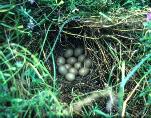
위 그림도 Ringneck Pheasant 입니다.
Ringneck Pheasant
= 1800년대 말에 북미 대륙으로 건너가서 번식한 중국꿩 (≒ 우리나라 꿩.)
Biological Facts
Weight: males 41-46 oz; females 31-34 oz.
Length: 30”-36”.
Flight speed: 38-48 mph.
Habitat: grasslands, wetlands, and brushy areas interspersed with agriculture.
Foods: waste grains and weed seeds.
Life expectancy: 70% annual mortality rate; 2-3% of population lives to age 3.
Mating: polygamous; one male breeds many females.
Nesting period: peak April-June, range March-August.
Nests: usually shallow, scratched-out depression in the ground lined with grass or leaves.
Clutch size: 11 eggs for first nests.
Eggs: olive-brown; ovate (17/8” x 13/8”).
Incubation: 23 days.
Young: precoccial; leave nest immediately; can make short flights at 12-14 days.
Number broods per year: 1; will renest up to 4 times.
Nest success: ave. 43%.
Fledge: hen and brood separate 8-11 weeks post-hatch.
Recruitment: ave. 3.7 young/hen.
Migration: none; year-round resident.
꿩이 태어나서 그 해에 죽을 확률이 70% 이랍니다.
오래 버티는 놈은 야생에서 3년은 살수 있다고 합니다.
꿩 사냥은 그해 봄에 얼만큼 알을 많이 깟느냐가 중요하다네요...
정작 우리는 뭘하고 있었는지... 부끄럽네요...
|



















 조회 : 719
  추천 : 0


